 FR

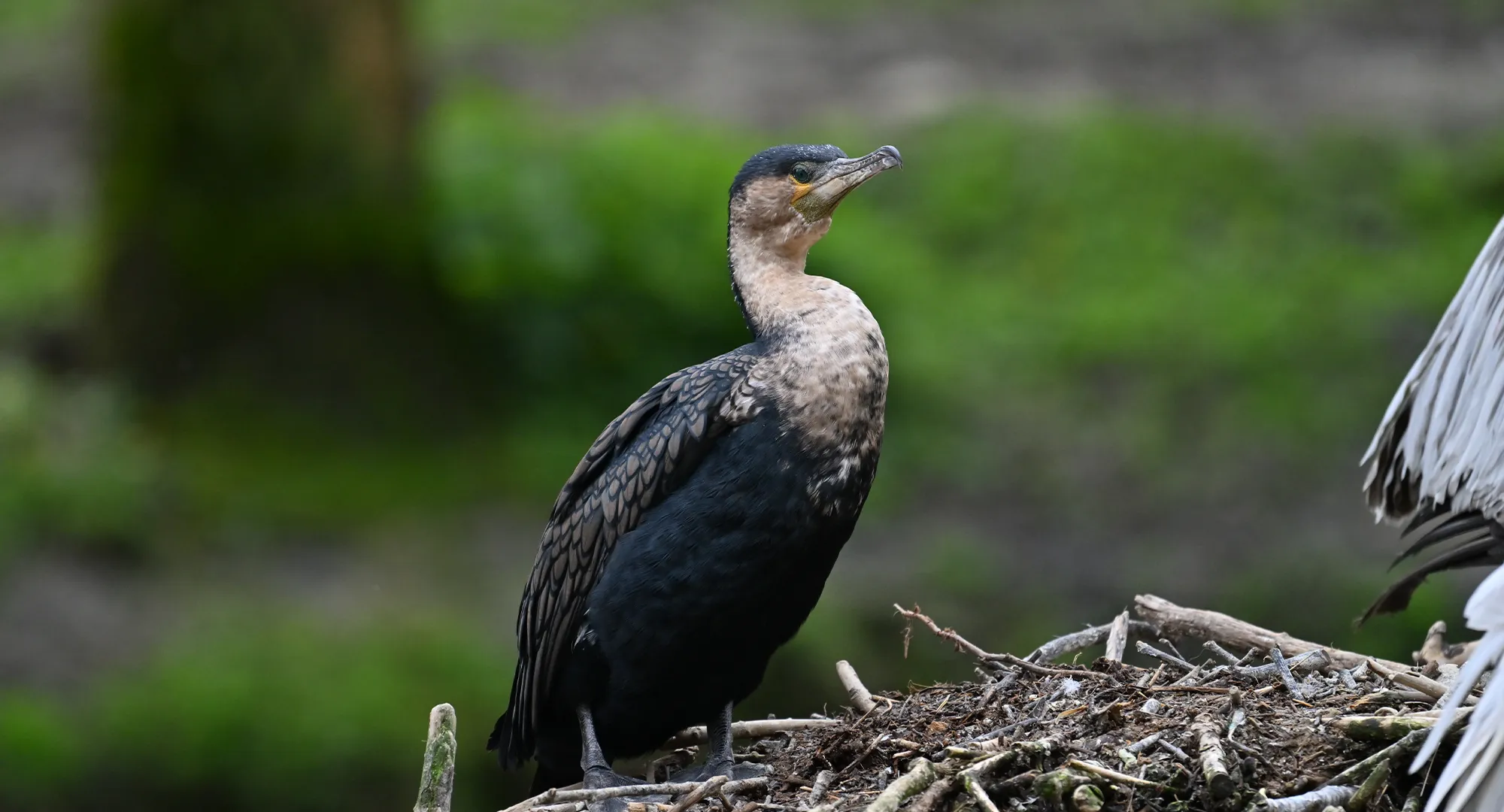
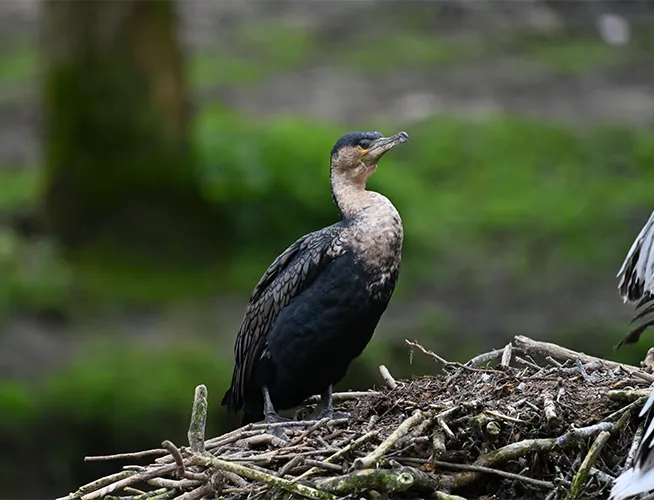
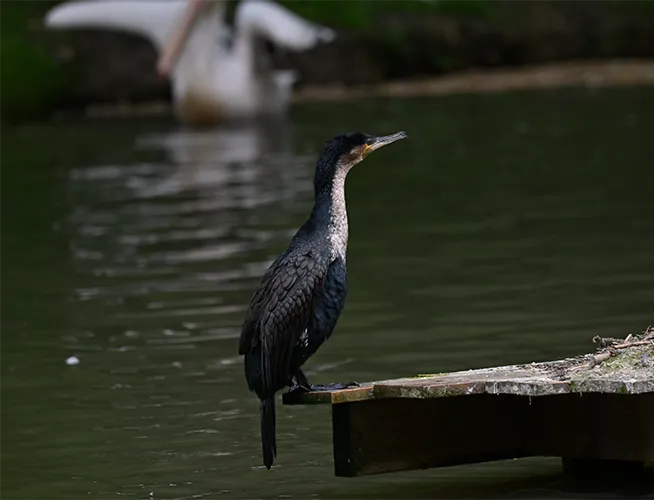
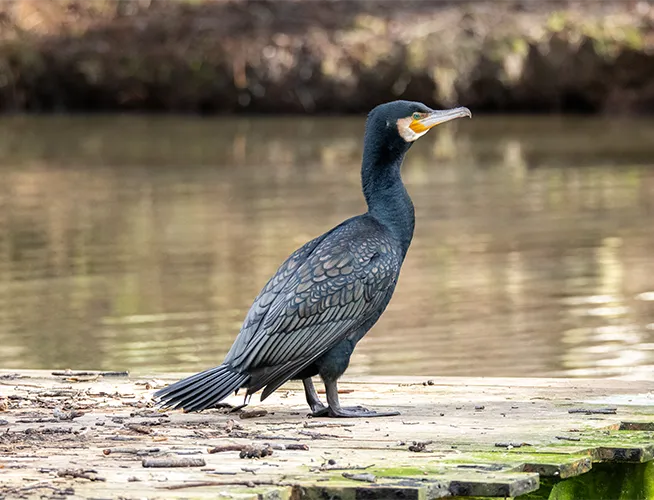
Great cormorant
I.U.C.N status
International Union for Conservation of Nature
LC
Least concern
NT
Near threatened
VU
Vulnerable
EN
Endangered
CR
Critically endangered
EW
Extinct in the wild
EX
Extinct

Identity card
Class :
Birds
Order :
Suliformes
Family :
Phalacrocoracidae
Genus :
Phalacrocorax
Species :
carbo
Average size
100 cm / 130 to 160 cm (wingspan)
Weight
2 to 3 kg
Longevity
20 years
Sexual maturity
3 to 4 years
Incubation
29 to 31 days
Clutch
3 to 4 eggs
Diet
Carnivore
Fish, aquatic invertebrates...
Did you know?
The great cormorant feeds mainly on fish, diving to catch its prey with its beak and capable of staying underwater for more than a minute. Unlike most other aquatic birds, the great cormorant does not have fully waterproof plumage. After several dives, it must dry its wings by exposing them to the wind or sun.
Threats and conservation
The great cormorant was once persecuted by humans due to its competition with fishermen. Thanks to conservation efforts, its numbers are now increasing and the status of this species has stabilised. This species is protected throughout the national territory.